Data Matching Protocols and Their Impact on Discrepancy Prevention in International Vendor Reconciliations
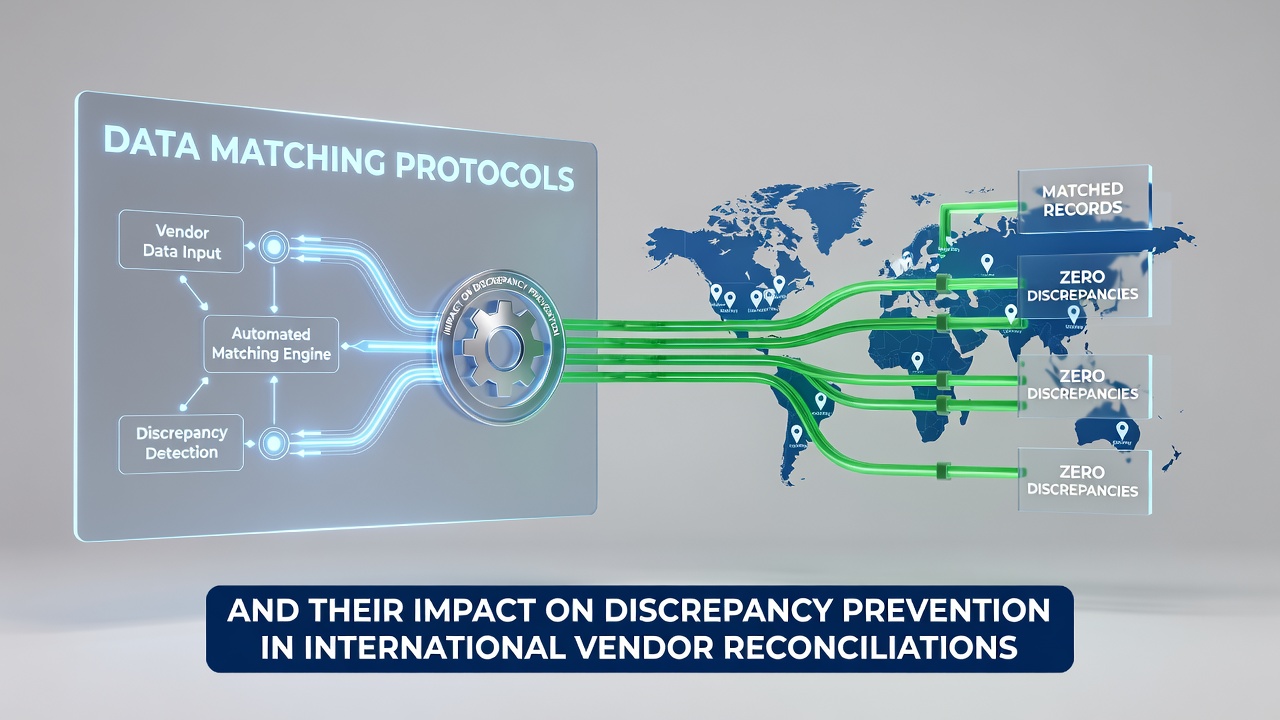
International vendor reconciliations require precise alignment of transaction records across borders where currencies, regulatory frameworks, and data formats often diverge. Data matching protocols serve as the structured methods that compare invoice details, payment amounts, and settlement dates between buyer and supplier systems to flag inconsistencies before they escalate into financial disputes.
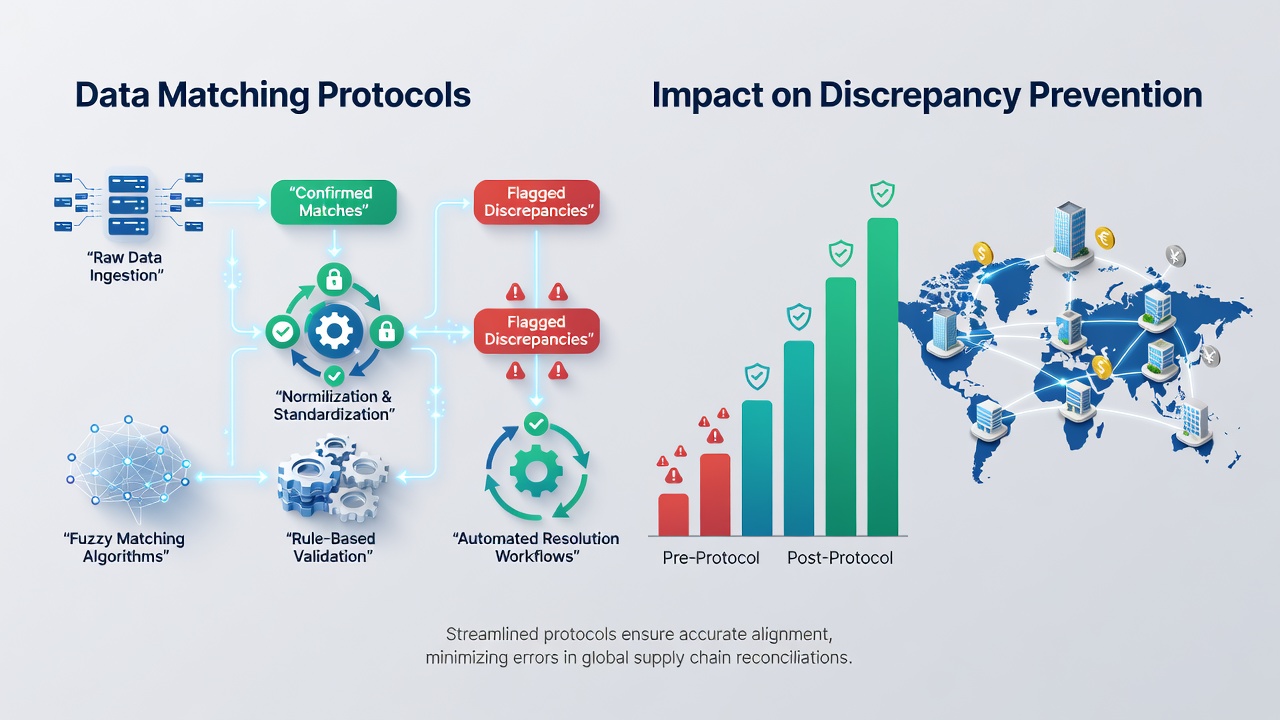
These protocols typically incorporate rule-based algorithms alongside fuzzy logic techniques that account for minor variations in spelling, date formats, or rounding differences common in cross-border invoices. Organizations implement them through enterprise resource planning integrations that pull data from multiple banking platforms and supplier portals in real time.
Core Components of Modern Matching Systems
Matching engines rely on standardized identifiers such as purchase order numbers, tax identification codes, and bank reference numbers to establish one-to-one or many-to-many relationships between records. When currency conversion enters the equation, protocols apply exchange rates from recognized sources at the exact timestamp of each transaction rather than relying on end-of-day averages.
Researchers at institutions focused on financial infrastructure note that automated tolerance thresholds allow systems to accept variances within predefined limits, such as 0.5 percent of invoice value, while routing larger deviations for manual review. This layered approach reduces the volume of exceptions that reach finance teams without sacrificing accuracy.
Application in Global Vendor Environments
Vendors operating across multiple jurisdictions submit invoices in local languages and currencies that must reconcile against buyer records maintained in a single reporting currency. Data matching protocols handle these conversions by embedding ISO 4217 currency codes and applying consistent valuation rules established by central banking authorities.
Take one European manufacturer supplying components to distributors in Asia and North America. Its accounts payable system runs matching routines nightly that compare incoming remittance advices against open invoices while accounting for bank charges and early-payment discounts. Discrepancies surface within 24 hours instead of weeks later during month-end closes.
Preventing Discrepancies Through Protocol Design
Discrepancy prevention begins at the data ingestion stage where protocols validate completeness and format compliance before records enter the matching queue. Invalid entries receive immediate rejection notices that prompt suppliers to correct and resubmit, avoiding downstream mismatches.
According to analyses published by the Bank for International Settlements, firms adopting multi-field matching that includes both amount and reference data experience fewer settlement failures than those relying solely on monetary values. The additional reference fields provide redundancy that compensates for occasional transmission errors in SWIFT or regional payment networks.
June 2026 marked the rollout of updated message standards by several global payment schemes that expanded the data elements available for matching. These changes enabled finer-grained comparisons of tax withholdings and freight charges that previously caused frequent exceptions in international vendor accounts.
Integration With Broader Financial Controls
Data matching protocols do not operate in isolation. They connect with fraud detection modules that monitor for duplicate invoices or unusual vendor activity patterns. When a protocol identifies an exact match on amount and reference yet flags an atypical bank account change, the system routes the item for secondary authentication before release.
Observers tracking adoption trends across multinational corporations report that integration with treasury management systems allows real-time visibility into reconciliation status. Finance teams receive dashboards showing match rates, aging exceptions, and root-cause categories that inform process improvements with suppliers.
One logistics company operating in 40 countries reduced its reconciliation backlog by 60 percent within six months of implementing enhanced matching rules that incorporated delivery confirmation numbers alongside traditional invoice fields. The improvement stemmed from tighter linkage between physical goods movement and financial records rather than any change in payment timing.
Regulatory and Operational Considerations
Compliance requirements in regions governed by the European Central Bank and the Monetary Authority of Singapore emphasize audit trails that document every matching decision and override. Protocols therefore maintain immutable logs of tolerance applications and manual interventions for examination during regulatory reviews.
Industry reports from the Organisation for Economic Co-operation and Development highlight that standardized data exchange formats reduce reconciliation effort across borders by minimizing the need for manual reformatting. Companies participating in these frameworks report shorter cycle times between invoice receipt and payment approval.
Conclusion
Data matching protocols continue to evolve alongside payment infrastructure updates and regulatory shifts. Their role in minimizing discrepancies rests on consistent application of multi-attribute comparison rules, timely exception handling, and integration with existing enterprise controls. Organizations that maintain these systems gain clearer visibility into vendor relationships and reduce the operational drag associated with unresolved international transactions.