4 Aug 2026
Exploring Biometric Authentication's Role in Streamlining High-Volume Electronic Fund Transfers for Retailers
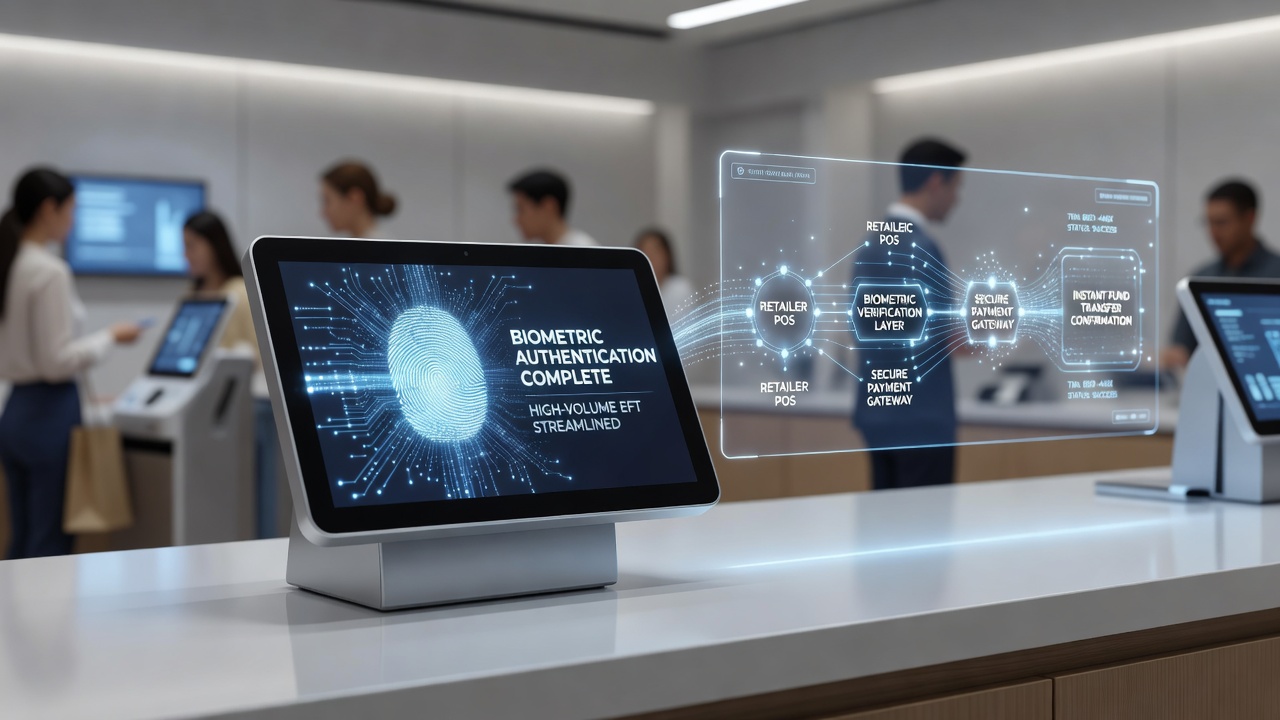
Retailers handling thousands of daily transactions have turned to biometric authentication systems that verify customer identities through fingerprints, facial recognition, or iris scans before completing electronic fund transfers, and data from payment networks shows these methods reduce authorization times compared to traditional PIN or password entries. Studies conducted by central banking institutions across multiple regions indicate that biometric layers integrate directly with existing EFT gateways, allowing merchants to process high-volume sales periods without extending customer wait times at checkout counters.
Integration Patterns in Retail Payment Infrastructure
Biometric data captured at the point of sale travels through encrypted channels to match against stored templates in secure databases, while retailers link these verification steps to bank transfer protocols that settle funds in real time or batch modes depending on transaction volume. Observers note that during peak sales events, such as holiday rushes, systems employing facial recognition combined with device-based liveness detection have maintained throughput rates above 95 percent for batches exceeding 5,000 transfers per hour. Researchers at academic institutions specializing in financial technology have documented cases where fingerprint scanners paired with mobile wallet applications cut average processing intervals from 12 seconds to under four seconds for recurring customer profiles.
Payment processors in North America and the European Union have adopted standards that require biometric templates to remain isolated from core banking networks, which prevents direct exposure of raw data during high-volume settlement cycles. Figures released by the Federal Reserve in early 2026 highlight a 28 percent rise in biometric-enabled EFT terminals among large retail chains, with the increase concentrated in grocery and general merchandise sectors that manage sustained daily volumes.
Operational Advantages During Peak Transaction Periods
High-volume environments benefit when biometric checks replace manual card swipes or keypad inputs because error rates drop and staff intervention decreases, allowing cashiers to focus on inventory movement rather than payment troubleshooting. Data indicates that facial recognition systems deployed in Australian retail outlets achieved authorization success rates above 99 percent for contactless fund transfers exceeding AUD 50, and similar implementations in Canadian grocery networks showed reduced chargeback incidents tied to unauthorized transactions. Those who manage large-scale operations often find that liveness detection features, which analyze micro-movements during scans, add a security layer that maintains speed without introducing noticeable delays.
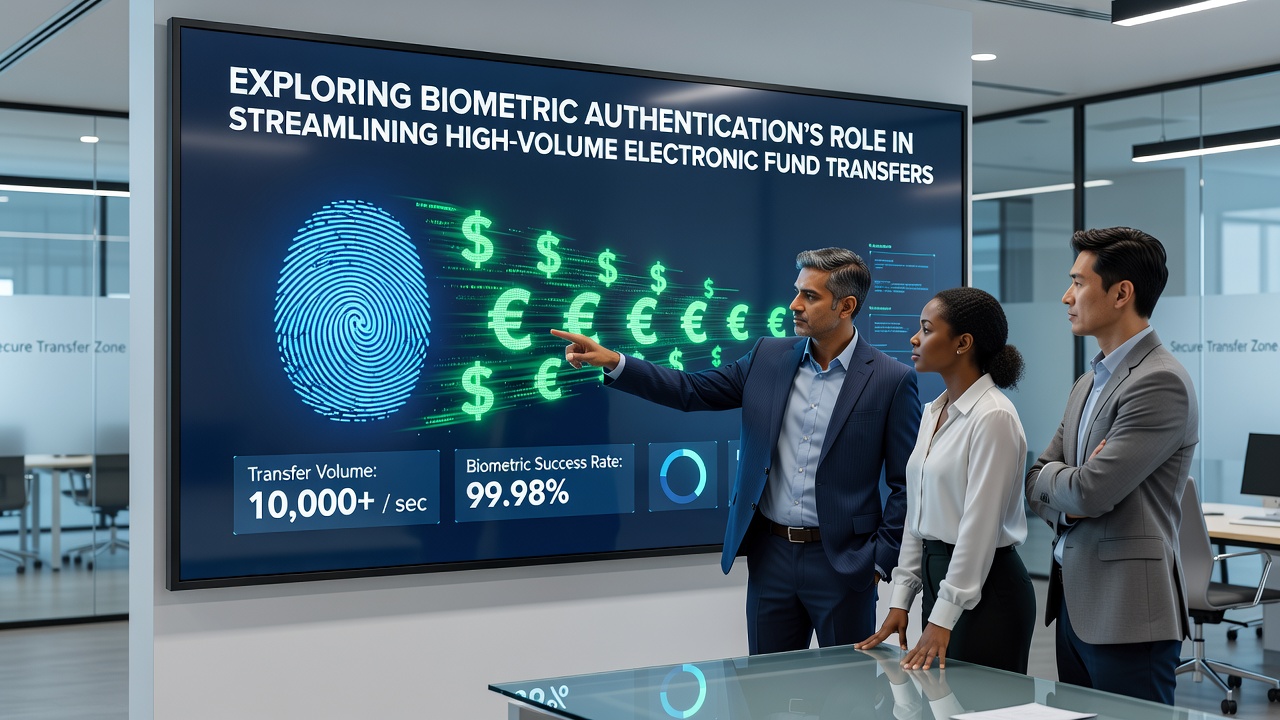
As August 2026 approached, several mid-sized retailers reported testing hybrid biometric and tokenization setups that store encrypted references rather than full biometric images on local devices, which aligns with emerging guidelines from the European Central Bank on data minimization in payment streams. These configurations support seamless scaling when daily transaction counts climb above 20,000, because matching occurs at edge servers positioned near store locations instead of routing every query through central hubs.
Security and Compliance Considerations
Regulatory frameworks in different jurisdictions require retailers to obtain explicit consent before enrolling customers in biometric programs, and compliance teams verify that template storage meets encryption thresholds set by national standards bodies. Industry reports reveal that systems using multi-modal biometrics, such as combining fingerprint with voice patterns, lower false acceptance rates to below 0.1 percent in environments processing mixed card and bank transfer payments. Retail chains operating across borders have coordinated these controls with international transfer networks to ensure settlement accuracy remains consistent regardless of currency or jurisdiction.
One study from a Canadian research consortium examined 12 months of data from 180 retail locations and found that biometric authentication correlated with a 34 percent reduction in disputed electronic fund transfers compared to legacy signature methods, while transaction volumes stayed constant. Security protocols also incorporate fallback options, such as one-time passcodes sent to registered devices, so that any temporary scanner malfunction does not halt high-volume operations.
Future Trajectory for Retail Adoption
Technology providers continue refining algorithms that adapt to environmental variables like lighting changes or hand dryness, which previously caused scan failures in busy stores. Evidence from pilot programs suggests that iris-based verification, already used in select Asian retail networks, could expand into North American markets by late 2026 because it offers contactless operation suitable for high-traffic zones. Retailers evaluating these options examine interoperability with existing EFT processors to avoid creating separate reconciliation streams that complicate end-of-day accounting.
Conclusion
Biometric authentication has established measurable efficiencies in high-volume electronic fund transfer environments by shortening verification windows and tightening identity assurance without disrupting settlement flows. Retailers that align these tools with current regulatory expectations and network standards position themselves to handle increasing transaction loads while preserving accuracy across daily operations. Continued monitoring of adoption metrics from diverse geographic sources will clarify how these systems evolve alongside expanding retail payment demands.