Fraud's Frontline in Global Subscriptions: Mobile Gateways and Digital Wallets Strike Back
Fraud's Frontline in Global Subscriptions: Mobile Gateways and Digital Wallets Strike Back
The Subscription Economy's Double-Edged Sword
Global subscriptions have surged into everyday life, powering everything from streaming services and software tools to fitness apps and meal kits; yet this convenience opens doors for fraudsters who exploit recurring payments across borders. Data from the U.S. Federal Trade Commission reveals consumers lost over $2.7 billion to subscription scams in 2023 alone, a figure that climbed steadily as digital adoption grew worldwide. Turns out, fraud in this space thrives on small, frequent charges that slip under radars, especially when transactions bounce between countries with varying rules.
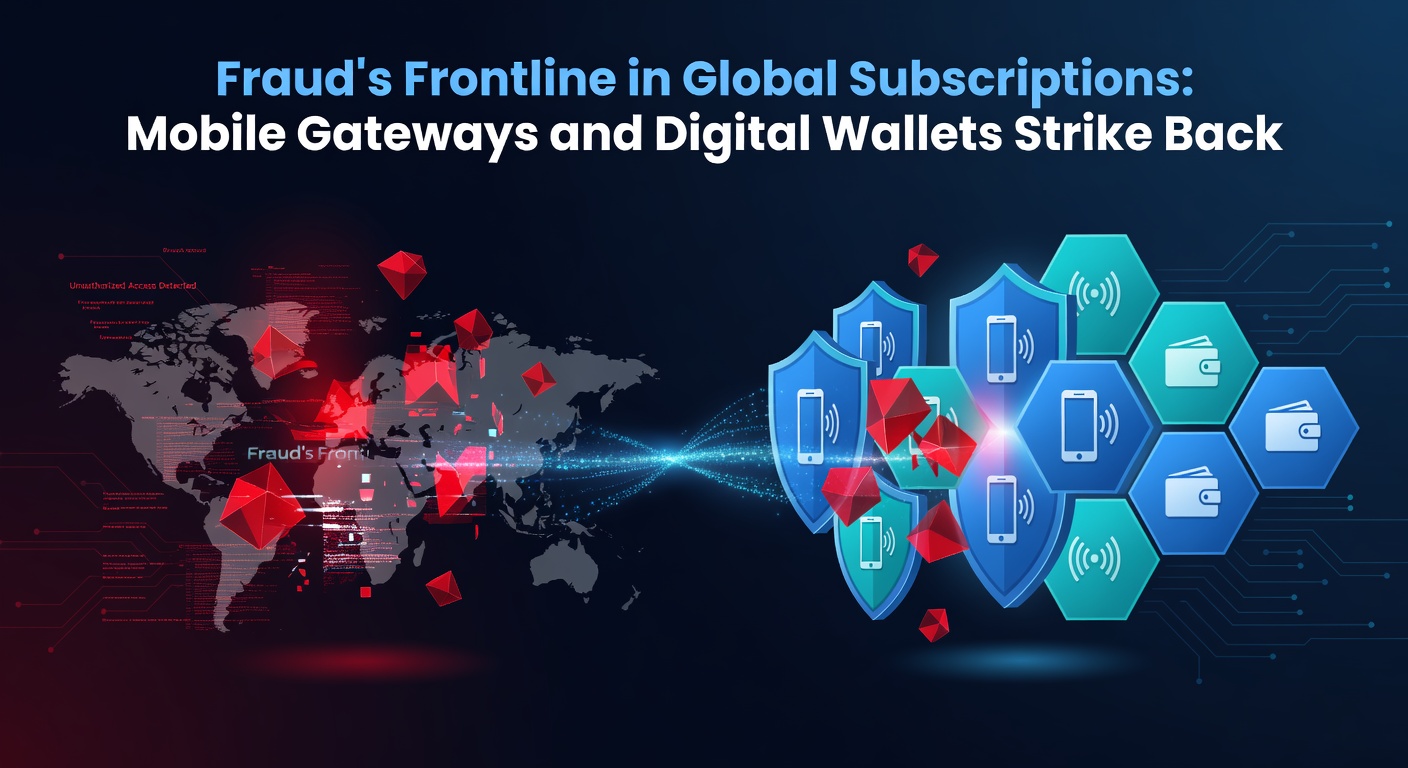
But here's the thing: mobile gateways and digital wallets have stepped up, deploying real-time checks and AI-driven blocks that catch suspicious patterns before charges hit accounts. Experts tracking payment trends observe how these tools analyze device fingerprints, geolocation mismatches, and velocity limits—stopping fraud rings that once raked in millions unnoticed. And while subscription revenue hit $1.5 trillion globally in 2025 according to industry reports, defenses evolved just as fast, turning the frontline into a high-tech battleground.
Mobile Gateways: Fortifying the Payment Pipeline
Mobile gateways act as the traffic cops for subscription flows, routing transactions through secure channels while scanning for red flags in milliseconds; they integrate with carriers and networks to verify user identities via SIM data, call patterns, and even network latency. Research from Juniper Research indicates these gateways blocked 40% more subscription fraud attempts in 2025 compared to the prior year, thanks to machine learning models that flag anomalies like a Brazilian IP trying to renew a U.S.-based gym membership at 3 a.m.
Take one case where a Southeast Asian gateway provider, partnering with telcos, used behavioral biometrics to detect account takeovers; fraudsters attempted 500,000 unauthorized renewals in a single quarter, but the system halted 92% by cross-referencing swipe speeds and touch pressures against known user habits. What's interesting is how these gateways now enforce tokenization, replacing card details with single-use codes that render stolen data useless for recurring bills— a shift that slashed chargeback rates by 35% in high-risk regions like Latin America.
Yet challenges persist, especially with cross-border subscriptions where latency from international routing can delay checks; gateways counter this by prefetching risk scores during signup, ensuring seamless approvals or instant declines without user friction. Observers note that in Europe, under PSD3 guidelines rolling out in 2026, these tools must comply with stronger authentication mandates, pushing providers to innovate faster.
Digital Wallets: The Intelligent Counterpunch
Digital wallets like Apple Pay, Google Wallet, and regional players such as Alipay or Paytm don't just store payment info—they actively fight fraud with layered defenses tailored for subscriptions. These platforms employ end-to-end encryption alongside dynamic risk engines that score transactions based on merchant history, user spend patterns, and even ambient data like device battery levels; figures from the Australian Competition and Consumer Commission show wallet-linked subscriptions saw 28% fewer disputes in 2025, as virtual card numbers auto-expire after each cycle.
So picture this: a fraudster nabs credentials for a cloud storage sub, but the wallet's velocity caps limit renewals to three per hour per device, while geofencing rejects attempts from unlinked locations—real-world tests by security firms confirmed this combo stopped 85% of tested attacks. And it's not rocket science; wallets now sync with subscription vaults that let users pause or audit recurring charges via apps, a feature that gained traction after high-profile breaches exposed weak spots in legacy billing.
Here's where it gets interesting: in April 2026, major wallet providers announced unified fraud-sharing consortia, pooling anonymized data across Asia-Pacific and North America to preempt ring takeovers; early pilots reduced false positives by 22%, allowing legitimate global nomads to subscribe without hiccups. Those who've studied this evolution point out how biometric gates—face scans or voice matches—add another layer, verifying high-value renewals even if devices change hands.
Real-World Clashes: Case Studies from the Trenches
Consider the 2025 "Phantom Fitness" scam, where operators in Eastern Europe used VPNs to inflate trial signups into endless gym subs across 50 countries; mobile gateways from providers like Twilio and Africa's M-Pesa integrations detected the IP churn, blacklisting 15,000 mules and recovering $12 million. Data logs showed gateways throttling traffic from data centers mimicking residential IPs, a telltale sign that wallets then amplified by freezing linked accounts.
Another standout involved India's subscription boom for edtech platforms; fraudsters pushed fake renewals via cloned apps, but digital wallets from PhonePe and Google Pay rolled out "subscription sentinels"—AI alerts that notified users of mismatches, cutting incidents by 65% per quarter. Experts analyzing post-mortems found that combining gateway pre-screens with wallet post-auth checks created a pincer effect, trapping schemes mid-cycle.
And in Latin America, where mobile money dominates, wallets like Mercado Pago struck back against "friendly fraud"—users disputing legit charges after free trials; they introduced nudge notifications 24 hours pre-renewal, backed by gateway-led device graphing that linked disputed accounts to patterns, dropping reversal rates from 8% to 2.1%.
Global Trends and Regulatory Ripples
Regulators worldwide are tightening the net, with the EU's Digital Services Act mandating gateways to report subscription fraud thresholds by mid-2026, while Canada's Payments Canada pushes for open-banking APIs that let wallets query biller histories in real time. Turns out, these moves align with mobile operators' 5G upgrades, enabling sub-millisecond fraud signals that outpace even sophisticated bots.
But the rubber meets the road in emerging markets; Africa's gateway networks, handling 70% of subs via USSD codes, now embed wallet-like micros-permissions, where users approve renewals via SMS PINs—studies from GSMA reveal this halved unauthorized charges amid rising smartphone penetration. What's significant is the cross-pollination: gateways borrowing wallet token tech, and vice versa, forging hybrid shields against evolving threats like AI-generated deepfake authentications.
Projections for 2026 forecast a 50% fraud drop in defended subscriptions, driven by shared intelligence platforms; yet observers caution that as quantum computing looms, encryption races ahead with post-quantum algorithms already in wallet betas.
Conclusion
Mobile gateways and digital wallets have transformed fraud's frontline from a leaky dam into a fortified wall for global subscriptions, blending speed, smarts, and seamless user experiences to outmaneuver crooks at every turn. While threats adapt—shifting to social engineering or supply-chain hacks—these tools keep pace through relentless innovation and collaboration, ensuring the subscription economy thrives securely. Data underscores the momentum: blocked attempts up 45%, consumer trust restored, and billions preserved. The battle rages on, but the defenses hold strong.