Linking Verification Steps in Card Networks with Transfer Systems to Support Business Continuity in Global Markets
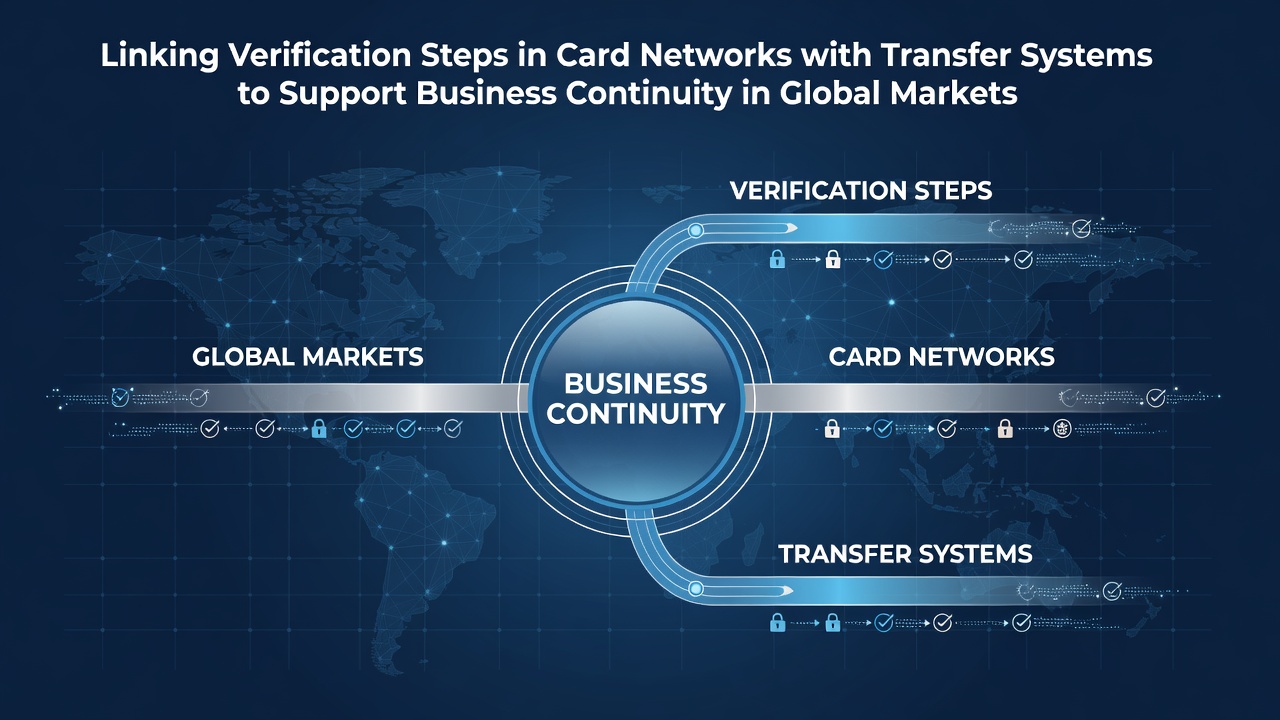
Card networks maintain verification protocols that confirm transaction details at multiple points while transfer systems handle the movement of funds between accounts, and linking these steps creates redundancy that supports operations when disruptions occur in one channel. Observers note that merchants operating across borders rely on this coordination to maintain payment flows during network outages or regulatory shifts, since data from the Bank for International Settlements shows payment volumes crossing multiple jurisdictions reached record levels by early 2026.
Verification Mechanisms in Card Networks
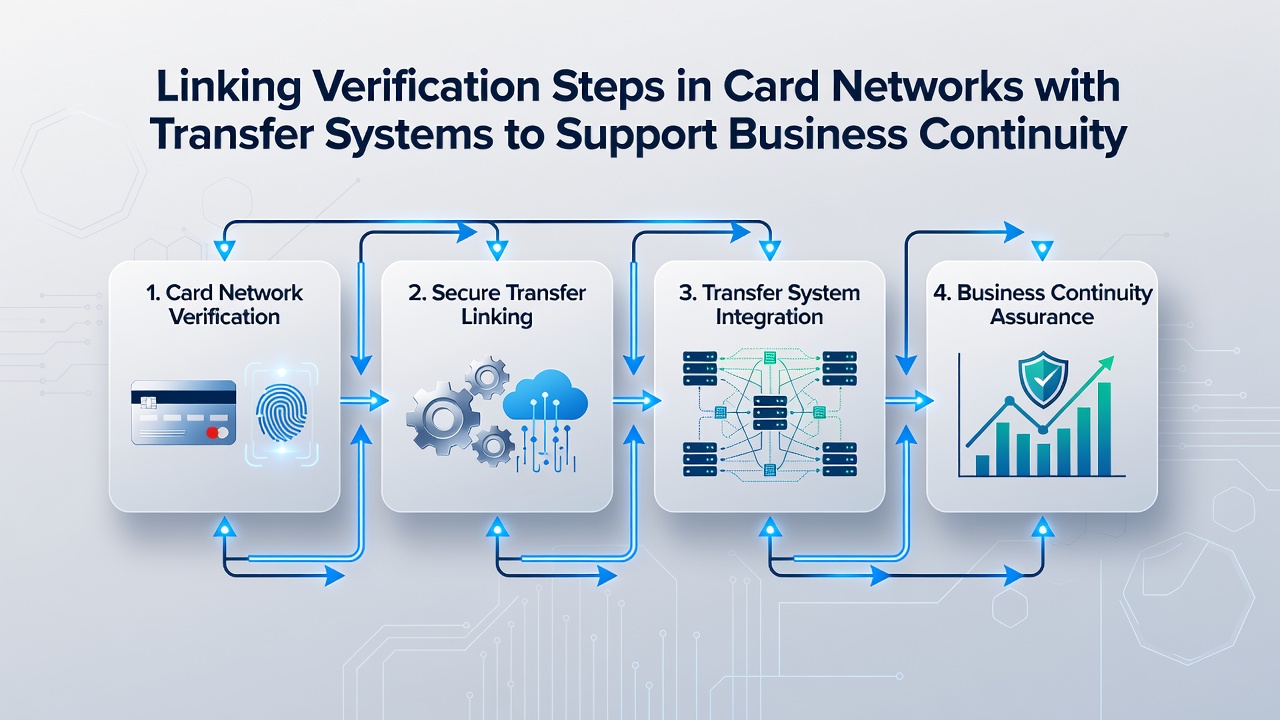
Card networks apply layered checks such as address verification, card verification values, and three-domain secure authentication before authorizing a charge, and these steps generate data points that transfer systems can reference during settlement. When a card transaction clears, the authorization message carries flags that indicate successful validation, allowing downstream transfer processes to proceed without repeating the same checks. Research from the European Central Bank indicates that synchronized validation reduces duplicate processing time by integrating these signals directly into automated clearing house or real-time gross settlement rails.
Transfer Systems and Their Role in Continuity
Electronic transfer systems move value through batch or real-time channels, and they incorporate their own validation sequences including account number verification adn sanctions screening. Linking card network outputs to these systems means that when one pathway encounters delays, the other can absorb volume because shared data formats allow seamless handoff. In June 2026, updates to ISO 20022 messaging standards expanded the fields available for carrying verification results, enabling transfer operators to inherit card network confirmations without additional queries.
Integration Points Across Borders
Global markets introduce variables such as differing time zones, currency conversion rules, and local compliance requirements, yet coordinated verification helps merchants route transactions through whichever channel remains available. One study from the World Bank examined cross-border payment resilience and found that entities using linked card and transfer validations experienced fewer settlement failures during regional infrastructure events. The connection works through application programming interfaces that pass authorization tokens and status codes, so a failed card route can trigger an immediate transfer request that already carries pre-validated merchant and customer details.
What's interesting is how these linkages appear in subscription models where recurring charges must clear on schedule regardless of network conditions. Data indicates that businesses using unified verification layers maintain higher completion rates because fallback transfers inherit the original authentication status rather than starting fresh.
Regulatory and Technical Considerations
Regulators in multiple regions require audit trails that capture every verification step, and integrated systems satisfy these demands by logging card network results alongside transfer confirmations in a single record. The Federal Reserve has published guidance on payment system resilience that highlights the value of shared validation data for maintaining service during outages. Technical implementations often rely on standardized message formats so that verification outcomes travel intact across borders without reformatting delays.
Those who manage merchant platforms report that mapping verification sequences between portable transaction tools and institutional channels creates operational buffers, especially when currency fluctuations or local banking restrictions affect one system. Evidence from industry reports shows that organizations adopting these mappings reduced downtime exposure in multi-currency environments where settlement windows vary by region.
Practical Outcomes for International Operations
Merchants processing high volumes across continents benefit when verification data flows directly into transfer workflows because it eliminates redundant customer interactions during route changes. Observers note that this approach supports business continuity plans by allowing automated switches between card networks and alternative transfer rails without manual intervention. Studies of payment ecosystems reveal that such linkages also improve reconciliation accuracy since each transaction carries consistent status indicators from authorization through final settlement.
Researchers continue to track how emerging message standards refine these connections, particularly as real-time payment systems expand in markets previously reliant on batch processing. The result appears in fewer interruptions for recurring billing cycles that span different regulatory zones.
Conclusion
Linking verification steps in card networks with transfer systems provides measurable support for continuity in global markets by creating overlapping validation layers that survive individual channel disruptions. Data from regulatory bodies and research institutions shows measurable reductions in settlement failures when these connections operate through standardized formats and shared status signals. Businesses operating internationally gain operational resilience as verification outcomes travel with transactions across borders and payment rails.