Payment Processing Fundamentals in Today's Economy
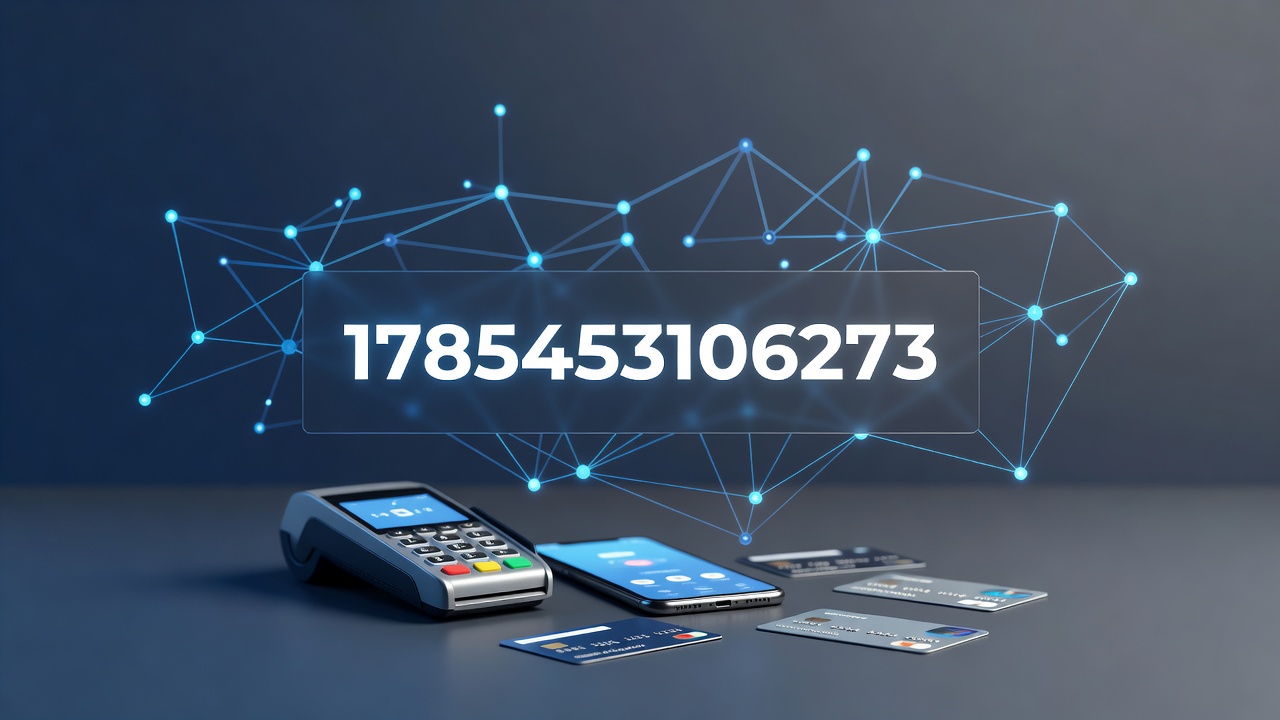
Payment processing forms the essential infrastructure that moves funds from consumers to merchants across card networks, bank systems, and digital channels, and observers note its role has expanded steadily through mid-2026 as transaction volumes continue climbing in both developed and emerging markets. Data from central banks shows that electronic payments now account for the majority of consumer spending in many regions, driven by the widespread adoption of contactless terminals and mobile interfaces that handle everything from small retail purchases to large business-to-business transfers.
Core Components of the Payment Flow
The process begins when a customer initiates a transaction at a point of sale or online checkout, after which the merchant's system routes the request through an acquiring bank to the card network or payment rail, and from there the issuer verifies available funds or credit before sending an approval or decline response within seconds. Clearing follows authorization as batch files exchange between institutions overnight or in near-real time, while settlement completes the cycle when actual funds move into the merchant's account, often minus interchange fees and processor charges that vary by region and card type.
Those who study these sequences point out that each stage relies on standardized protocols such as ISO 8583 for card messages and newer formats like ISO 20022 for richer data in bank transfers, and research indicates that adoption of these standards has reduced reconciliation errors in high-volume environments. Merchants typically work with payment service providers that aggregate connections to multiple networks, allowing a single integration to support credit cards, debit cards, ACH transfers, and emerging real-time options like those operated by The Clearing House in the United States or the Faster Payments Service in the United Kingdom.
Technological Infrastructure Supporting Transactions
Hardware elements range from traditional countertop terminals to portable devices that connect via cellular or Wi-Fi, and software layers handle tokenization to replace sensitive card details with unique identifiers that limit exposure during breaches. Cloud-based platforms now process the bulk of transactions for many providers, offering scalability that on-premises systems struggled to match during peak periods such as holiday shopping seasons. According to figures released by the Federal Reserve, real-time payment rails handled over 3.5 billion transactions in the twelve months ending June 2026, reflecting infrastructure upgrades that support instant settlement rather than the multi-day waits common in older batch systems.

Encryption standards like TLS 1.3 protect data in transit, while end-to-end encryption on devices adds another layer before messages even leave the merchant location. Observers note that these measures have become baseline requirements in most jurisdictions, with updates rolling out regularly to address evolving threats without disrupting the speed merchants and consumers expect.
Regulatory Environment and Compliance Requirements
Rules governing payment processing differ by country yet share common themes around consumer protection, data security, and fair pricing. In the European Union the Payment Services Directive 2 sets open banking standards that allow third-party providers to initiate transfers with customer consent, while Canada's federal framework emphasizes disclosure of fees and timelines for fund availability. Research from the Bank for International Settlements highlights how these frameworks have encouraged competition among processors while maintaining safeguards that reduce systemic risk during periods of market stress.
Merchants must also navigate PCI DSS requirements for handling cardholder data, and audits occur at regular intervals to verify ongoing compliance. Those who've examined enforcement actions find that penalties scale with the volume of affected transactions, prompting many smaller businesses to outsource storage and processing entirely to certified providers.
Market Participants and Service Models
Traditional banks continue to serve as acquirers and issuers, yet specialized processors and independent sales organizations have captured significant market share by offering lower costs and faster onboarding for new merchants. Aggregators bundle services for platforms that facilitate sales for thousands of individual sellers, handling payouts on a schedule that matches the underlying transaction flow. Data indicates that subscription-style pricing for processing services has gained traction, replacing older per-transaction models in some segments and giving businesses more predictable cost structures.
Conclusion
Payment processing remains a dynamic field shaped by regulatory shifts, technological upgrades, and changing consumer habits, and those tracking developments through July 2026 see continued integration of new rails alongside legacy card networks. The interplay between authorization speed, settlement finality, and security protocols determines how smoothly commerce operates across borders and device types, with each participant from the smallest vendor to the largest network operator playing a defined role in the overall sequence.