Uncovering synchronization methods between portable device authorizations and traditional account channels to support consistent revenue streams for vendors in diverse jurisdictions

Portable device authorizations connect directly to traditional account channels through structured synchronization protocols that vendors rely on to maintain steady revenue flows in multiple jurisdictions; these methods bridge mobile wallets with established banking systems while addressing regulatory variations that differ by region and currency.
Core synchronization techniques in use today
Vendors implement API-based gateways that transmit authorization requests from portable devices to core banking ledgers in real time, and these gateways often incorporate tokenization layers to mask sensitive account details during transfer. Data shows that such token exchanges reduce reconciliation errors by aligning transaction identifiers across both mobile and institutional platforms. Researchers at the European Central Bank have documented how standardized messaging formats under updated payment directives enable seamless handoffs between device-initiated charges and bank account verifications.
Batch processing supplements real-time links in jurisdictions where latency regulations limit instant settlements, yet vendors combine these approaches with scheduled reconciliation jobs that run nightly to catch any mismatches before they affect revenue reporting. Observers note that this hybrid model supports consistent cash flow even when cross-border delays occur due to differing operating hours or compliance checks.
Handling jurisdictional differences in authorization flows
Regulatory frameworks shape how synchronization occurs, with the European Union's revised payment services rules requiring strong customer authentication on portable devices before funds move to traditional accounts, whereas frameworks in Australia emphasize consumer consent logs that must match records held by both mobile providers and banks. In Canada, federal guidelines focus on data residency requirements that force vendors to route certain authorization confirmations through local servers before they reach international banking networks.
July 2026 marks the scheduled rollout of enhanced interoperability standards in several Asia-Pacific markets, where central banks plan to enforce unified identifier systems that link device tokens directly to account numbers without exposing full details. Those who've studied these upcoming changes report that vendors operating across borders will need to update their middleware to handle new validation sequences that prevent duplicate charges while preserving revenue continuity.
Supporting revenue consistency through aligned validation
Failed authorizations drop when portable device systems and traditional channels share live status updates, allowing vendors to retry payments using alternative methods before a subscription lapses. Industry reports indicate that such retry logic, combined with jurisdiction-specific fallback rules, helps maintain collection rates above 95 percent in multi-country operations. One study revealed that merchants using synchronized ledgers experienced fewer disputes because transaction histories matched exactly between mobile apps and bank statements.
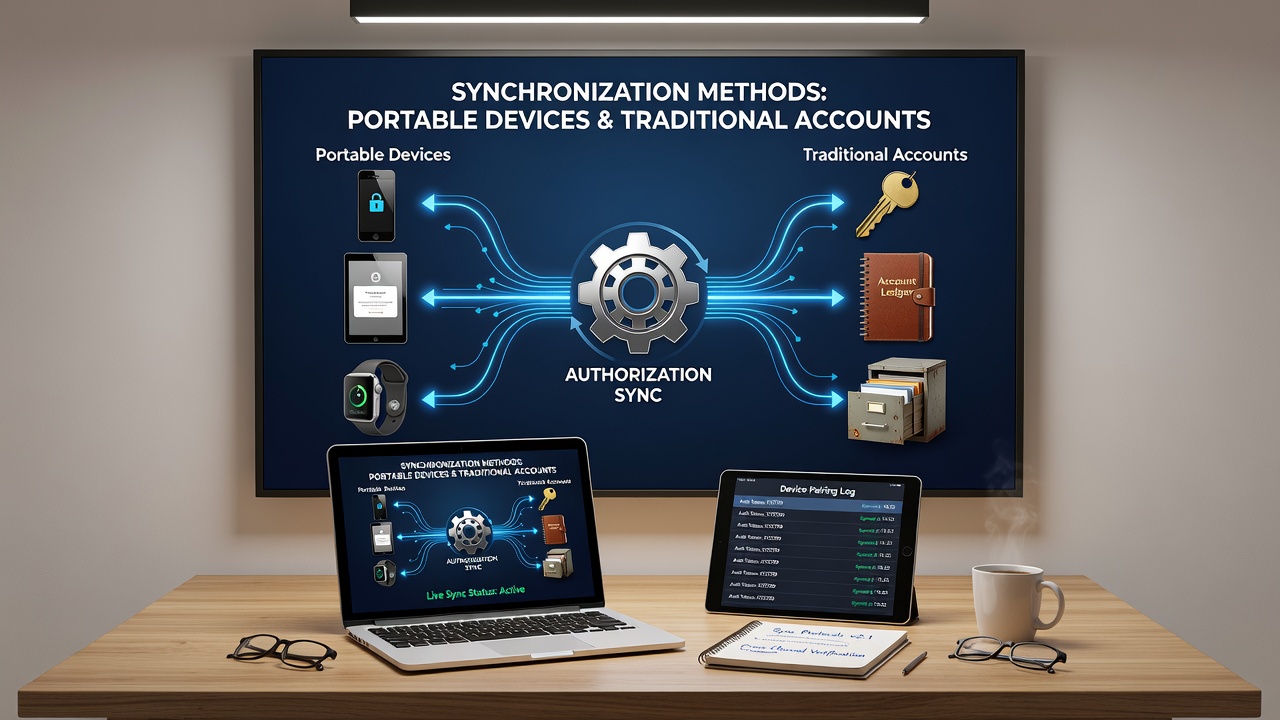
Take one vendor group that expanded into three new markets last year and discovered that mapping device-level risk scores to account-level fraud checks cut chargeback volumes by nearly half. The approach involved embedding compliance flags within each authorization packet so that both portable and traditional systems applied the same jurisdictional filters before approving or declining a charge.
Technical layers that enable reliable connections
Encryption standards and certificate pinning protect the data paths between device authorizations and account channels, while audit trails capture every step for regulatory review. What's interesting is how some vendors deploy middleware that translates between legacy banking protocols and newer mobile APIs without altering the underlying transaction logic. This translation layer proves essential in regions where older systems still dominate institutional settlements yet mobile adoption continues to rise.
Reserve Bank of Australia publications highlight that automated matching of authorization codes across platforms prevents discrepancies that could otherwise trigger manual reviews and delay revenue recognition. Vendors integrate these matching routines into their core billing engines so that portable device events update traditional account records within defined time windows set by local rules.
Practical outcomes for vendors operating globally
Consistent revenue streams emerge when synchronization methods account for currency conversion timing and local tax reporting requirements that vary by jurisdiction. Data matching protocols flag potential issues early, such as when a mobile authorization succeeds but the linked bank transfer encounters a temporary hold due to regional liquidity rules. Experts have observed that proactive alerts sent through shared dashboards allow finance teams to address these gaps before monthly reporting cycles close.
Case examples from multi-jurisdictional operations show vendors achieving steadier collections by aligning verification sequences so that a successful portable device check automatically triggers confirmation on the traditional side. This coordination reduces the window during which payments might otherwise stall, particularly in markets with strict settlement deadlines.
Conclusion
Synchronization methods between portable device authorizations and traditional account channels continue to evolve as vendors adapt to regulatory shifts and technical standards across diverse jurisdictions. These approaches rely on tokenization, real-time APIs, hybrid batch processing, and jurisdiction-specific validation rules to keep revenue streams stable. Data from regulatory bodies and industry analyses confirm that aligned systems lower error rates and support uninterrupted collections when properly implemented.